Unitary: A Single Line Font That Brings Joy to Every Design
There's something immediately captivating about Unitary. This single line font doesn't try to be everything to everyone—it simply delivers cheerfulness through clean, expressive strokes that feel both modern and approachable. If you've been searching for a creative font that breaks away from the usual suspects without sacrificing readability, Unitary deserves a closer look.
What Makes Unitary Stand Out
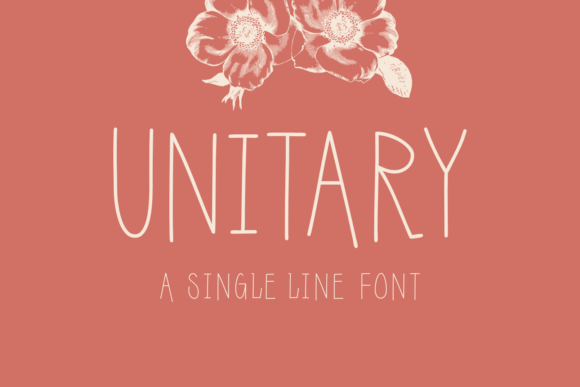
At its core, Unitary is a display font built on a single continuous line concept. Each character flows with a sense of movement and lightness that you won't find in typical sans serif fonts or serif fonts. The letterforms feel hand-drawn yet intentional—there's a warmth here that bridges the gap between handwritten fonts and structured modern typography.
What strikes me most about Unitary is its personality. It's playful without being childish, expressive without being overwhelming. The thin, continuous strokes give every word a sense of energy and optimism. This isn't a font that sits quietly in the background. It wants to be noticed, but it does so with a genuine smile rather than a shout.
The visual rhythm of Unitary creates natural movement across a page or screen. Letters connect and flow in ways that guide the eye forward, making it surprisingly effective for short-form content where you want readers to feel engaged rather than just informed.
Where Unitary Truly Shines
Let me be honest about something upfront: Unitary isn't your next body text typeface. And that's perfectly fine. Every premium font has its sweet spot, and Unitary's lives firmly in the world of headlines, short statements, and visual accents.
Children's Products and Family Brands
The obvious starting point is anything aimed at kids and families. Unitary brings an instant sense of fun to children's book covers, toy packaging, birthday invitations, and family-oriented brand identity projects. It communicates joy and creativity without relying on overly cartoonish aesthetics that might feel dated or limiting.
Party Invitations and Event Design
Planning a celebration? Unitary handles invitations, event posters, and party decorations beautifully. Its cheerful character sets the right tone for birthdays, baby showers, graduations, and casual gatherings. The single line font style also works well for DIY projects where you might be cutting vinyl or creating stencils—the continuous strokes translate cleanly across different materials and production methods.
Small Business and Entrepreneurial Branding
Here's where things get interesting for small business owners and entrepreneurs. If your brand personality leans toward approachable, creative, and optimistic, Unitary can become a distinctive element of your logo design and visual identity. Think bakeries, craft studios, children's clothing lines, boutique gift shops, or creative agencies that want to signal they're different from corporate competitors.
The font's unique character means your brand won't look like everyone else's. In a marketplace saturated with the same handful of popular typefaces, choosing something like Unitary immediately sets you apart.
Digital Content and Social Media
For content creators, bloggers, and marketers, Unitary works wonderfully for social media graphics, Instagram quotes, YouTube thumbnails, and Pinterest pins. Its visual distinctiveness helps content stop the scroll. When every other account is using the same geometric sans serifs and elegant scripts, Unitary offers genuine visual differentiation.
It pairs particularly well with clean sans serif fonts for body text—think Montserrat, Open Sans, or Lato underneath Unitary headlines. This combination gives you personality up top and readability below, which is exactly what most web design and digital projects need.
Publishing and Editorial Projects
Editorial design doesn't always mean serious and corporate. Lifestyle magazines, indie publications, zines, and creative journals can use Unitary for section headers, pull quotes, or feature titles that need a burst of personality. It works especially well in publications targeting younger demographics or covering topics like crafts, parenting, food, and lifestyle.
Readability and Visual Hierarchy
Unitary's strength lies in its visual impact at larger sizes. For headlines, banners, and display text, it's excellent. At smaller sizes, the thin single-line strokes can become difficult to read, especially in print. Always test your intended size before committing. A good rule of thumb: if you're going below 18pt for print or 24px for screens, consider whether your audience will actually be able to read it comfortably.
For visual hierarchy, Unitary naturally occupies the top tier. Use it for your primary headline or hero statement, then step down to something more conventional for supporting text. This layered approach gives your designs both character and clarity.
Font Pairing Strategies
Finding the right font pairing makes all the difference with a distinctive display typeface like Unitary. Here are combinations I've found work well:
- Unitary + a geometric sans serif (like Futura or Avenir) for a modern, clean aesthetic
- Unitary + a humanist sans serif (like Gill Sans or Myriad) for warmth and approachability
- Unitary + a simple serif (like Georgia or Merriweather) for editorial projects that need some tradition mixed with playfulness
Avoid pairing Unitary with other highly decorative fonts. Two expressive typefaces competing for attention creates visual chaos rather than harmony.
Licensing and Usage Rights
Before using Unitary in any commercial font project, verify the licensing terms carefully. Whether you're creating packaging design, merchandise, or client work, make sure your license covers the intended use. Most premium font licenses distinguish between personal and commercial applications, and some have specific restrictions on embedding, modification, or large-scale distribution.
If you're working with clients, consider whether they need their own license or if yours covers the project. Getting this right upfront prevents headaches later.
Evaluating Project Fit
Ask yourself these questions before choosing Unitary for a project:
- Does the project need a cheerful, approachable tone?
- Will the text primarily be used at display sizes?
- Is visual distinctiveness more important than neutral versatility?
- Does the audience respond well to creative, expressive design?
- Can you pair it with a highly readable secondary typeface?
If you answered yes to most of these, Unitary is worth testing. If the project demands serious professionalism, dense text blocks, or maximum legibility at small sizes, you'll want to explore other options in your design assets library.
Final Thoughts on Working With Unitary
The best creative fonts don't just look good—they solve problems and create opportunities. Unitary solves the problem of standing out in a world of visual sameness. It gives designers, crafters, and hobbyists a tool that's genuinely different from the fonts everyone else is using.
Used thoughtfully, Unitary becomes more than just a typeface choice. It becomes part of a visual story that communicates optimism, creativity, and warmth. Whether you're designing a child's birthday invitation or building a brand identity for a creative business, this font brings something that's increasingly rare in modern design: genuine personality without pretension.
Test it. Pair it. See how it feels in your next project. Sometimes the most delightful design decisions come from choosing something unexpected—and Unitary definitely qualifies.