Emily: A Calligraphic Gothic Typeface for Prestige Projects
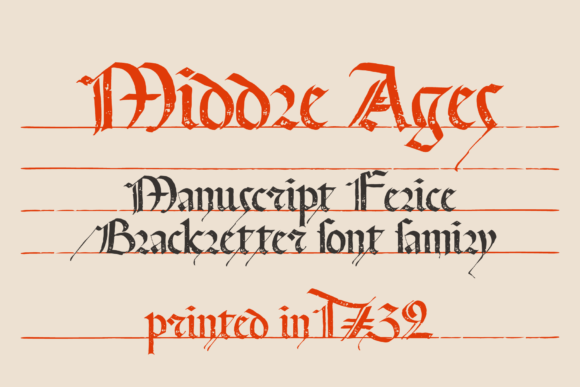
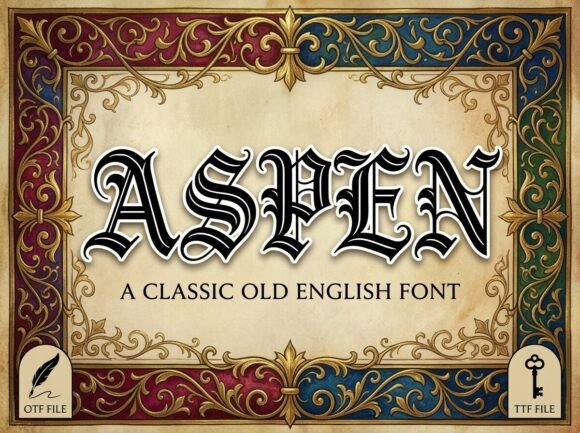
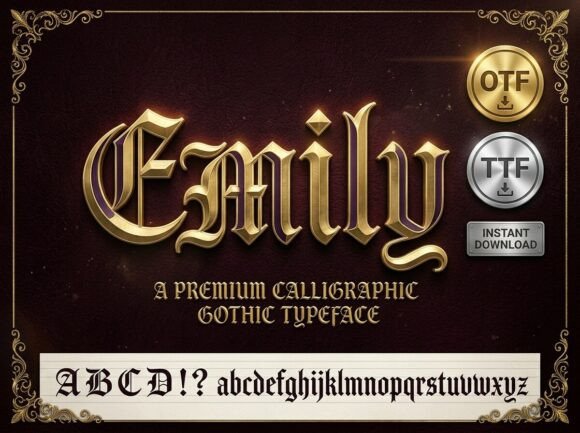
There are typefaces that simply hold words, and then there are typefaces that make a statement. Emily belongs firmly in the latter category. This isn't a font you choose for long paragraphs of body text; it's a premium display font designed to command attention at a glance. At its core, Emily is a gothic or blackletter typeface, but it's been refined with a distinct calligraphic elegance. Think of the sturdy, architectural bones of a medieval script, but with the fluid, graceful strokes of a master calligrapher's pen added on top.
Visually, Emily presents a fascinating duality. The letterforms have sharp, chiseled edges and strong vertical stress, giving them a sense of history, weight, and authority. Yet, this structural integrity is softened by elegant swashes, flowing connections, and a subtle rhythm that feels organic and handcrafted. The result is a typeface that feels both ancient and alive, prestigious without being stuffy. It carries the personality of a royal decree or a treasured family crest, making it inherently suited for projects that aim to convey heritage, luxury, and meticulous craftsmanship.
Where Emily's Royal Elegance Truly Shines
Knowing where to deploy a creative font like Emily is key to its success. Its strong personality means it can overwhelm a design if used carelessly. However, in the right context, it becomes an invaluable design asset. The font's natural habitat is in brand identity for high-end, boutique, or artisanal brands. Imagine it as the cornerstone of a logo for a luxury leather goods maker, a high-end jewelry brand, or a historic inn. Its presence immediately sets a tone of exclusivity and timelessness.
Beyond logos, Emily excels in packaging design. Picture it on a premium wine label, the box for a specialty chocolate, or the branding for a gourmet coffee blend. It communicates quality and care before the product is even experienced. The same principle applies to editorial design and publishing. It makes for a stunning chapter opener in a historical novel, a captivating title on a book cover, or an elegant masthead for a niche magazine. For print projects like wedding invitations, award certificates, or menu headers for an upscale restaurant, Emily adds a layer of formal sophistication that simpler fonts cannot match.
Making Smart Choices with a Display Typeface
Integrating a display font like Emily into your work requires a strategic approach. Its primary role is for headlines, logos, and short bursts of impactful text. For body copy, you need a highly legible companion. A classic serif font with good x-height or a clean, modern sans serif font would provide a perfect counterbalance, ensuring readability while letting Emily's unique character stand out. This practice of font pairing is essential for creating a cohesive and functional visual hierarchy.
Before committing, always test the font in context. See how it looks at the actual size it will be used, whether on a business card or a billboard. Check the spacing and kerning, especially between certain letter combinations. Review the included styles—does it come with alternates, swashes, or ligatures that offer more creative control? Understanding these details allows you to use Emily not just as a decorative element, but as a powerful tool for shaping brand perception and ensuring design consistency across all touchpoints, from social media graphics to printed collateral.
Finally, for any professional use, verify the licensing. A commercial font like Emily will have specific terms for its use in logos, products, and digital platforms. Investing in the proper license is a mark of professionalism and protects both you and your client. When chosen thoughtfully and applied with restraint, a typeface like Emily does more than just look good—it becomes an integral part of a project's story, enhancing recognition and engaging the audience on a deeper, more emotional level.