Fairy Tale: The Handwritten Font That Brings Designs to Life
There’s a certain warmth a handwritten font brings to a project that a crisp, geometric sans serif simply cannot replicate. It’s the feeling of a personal note, a playful doodle, or a storybook illustration. This is the exact space where Fairy Tale, a magical handwritten typeface, operates. It’s not just another script font; it’s a design asset with a distinct personality, ready to infuse a touch of whimsy and authenticity into a wide range of creative work.
A Typeface with Character and Versatility
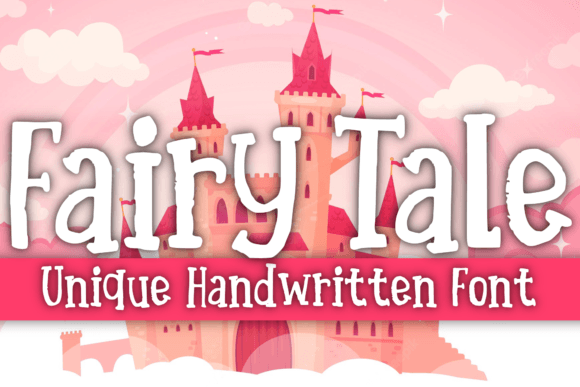
At its core, Fairy Tale is a premium font that captures the effortless charm of natural handwriting. Its letters flow with a gentle, casual rhythm, featuring soft curves and a slightly uneven baseline that feels human and approachable. Unlike overly formal or rigid script fonts, it avoids feeling stuffy. The letterforms maintain excellent legibility even at smaller sizes, a crucial consideration for any display font intended for more than just a headline.
The true strength of this creative font lies in its incredibly versatile style. It can feel playful and youthful, making it a perfect fit for children’s book covers, toy packaging, and birthday party invitations. Yet, with the right color palette and layout, it can also evoke a sense of rustic elegance for wedding stationery, boutique branding, or artisan product labels. This dual nature makes it a valuable component in any designer’s toolkit.
Practical Applications Across Projects
Knowing where a font works best is half the battle. Let’s break down the real-world applications where Fairy Tale truly shines.
For Branding and Marketing
For small businesses, entrepreneurs, and creators, establishing a memorable brand identity is paramount. A font like Fairy Tale can be instrumental in crafting a brand that feels personal and trustworthy. Consider using it for:
- Logo Design: A logotype set in Fairy Tale can immediately communicate a brand’s friendly, handmade, or whimsical ethos. It works exceptionally well for bakeries, florists, craft studios, and children’s apparel lines.
- Packaging Design: On product labels for artisanal goods, cosmetics, or specialty foods, this typeface adds a layer of perceived care and quality. It suggests the product inside is made with a personal touch.
- Social Media Graphics: In a crowded digital feed, a handwritten font helps quotes, announcements, and call-to-action text stand out. It feels more like a friend’s post than a corporate ad, boosting engagement.
For Publishing and Editorial Design
While not a body text font, Fairy Tale serves specific and important roles in editorial design. It can be used for chapter titles in a novel, pull quotes in a magazine, or the main title on a whimsical book cover. For publishers and authors, it’s a go-to choice for creating a cover that signals a specific genre—be it romance, fantasy, or contemporary fiction with a lighthearted tone.
For Personal and Commercial Crafts
The applications extend far beyond the digital realm. This is where the font’s casual touch becomes its biggest asset. Think of it as a versatile tool for physical products and personal projects:
- Apparel and Merchandise: As noted, it’s ideal for t-shirt designs, tote bags, and mugs. The handwritten style translates beautifully to screen printing and embroidery.
- Greeting Cards and Stationery: From heartfelt thank-you notes to festive holiday cards, Fairy Tale provides the perfect typographic voice.
- Stickers and Posters: For planners, journals, or decorative wall art, its legible yet stylized form is a winning combination.
Integrating Fairy Tale into Your Design Workflow
Adopting any new design asset requires a bit of strategy. Here’s how to approach using Fairy Tale effectively.
Evaluating Project Fit: First, assess the project’s tone. Is it serious, corporate, and minimalist? If so, Fairy Tale is likely not the primary choice. But if the goal is to inject personality, warmth, or a touch of nostalgia, it’s a strong contender. Always consider your audience. A marketer targeting young parents will use it differently than a blogger writing about rustic home decor.
Mastering Font Pairing: A handwritten font rarely works alone in a professional layout. The key to modern typography is contrast. Pair Fairy Tale with a clean, neutral sans serif font for body text or supporting information. This creates a clear visual hierarchy: the whimsical font captures attention for headlines, while the sans serif ensures readability for longer passages. Avoid pairing it with another ornate script or a highly decorative serif, as this can create visual clutter and reduce readability.
Considering the Details: Check what the font package includes. Many premium fonts come with alternates, ligatures, or stylistic sets that allow for more customized and natural-looking text. Exploring these options can prevent repetition and make your designs feel more authentic. Furthermore, always review the commercial font license. Understand what it permits—whether for personal projects, client work, or commercial products—to ensure full compliance.
The Impact on Perception and Engagement
A font choice is never just aesthetic; it’s a strategic decision that influences how an audience perceives a message. Using Fairy Tale can enhance brand perception by making a company appear more approachable, creative, and human. This fosters better audience engagement, as people are naturally drawn to content that feels personal and less corporate.
For designers and content creators, it’s about building a cohesive visual language. When used consistently across a brand’s touchpoints—from its website header to its Instagram stories to its physical packaging—it contributes to strong brand recognition. The font becomes part of the brand’s signature style, helping it stand out in a competitive market.
In the end, Fairy Tale is more than just a collection of glyphs. It’s a tool for storytelling. Whether you’re a small business owner crafting your first logo, a publisher designing a book cover, or a crafter making personalized gifts, this typeface offers a direct path to creating designs that feel genuinely lovely and connected. Its magic lies not in fantasy, but in its ability to bring a touch of human warmth to any project it graces.