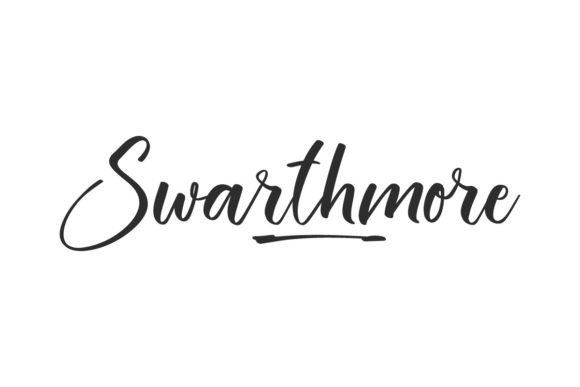
Swarthmore: A Fresh Take on the Handwritten Script Font
Let's talk about personality in design. In a digital landscape saturated with clean, geometric sans serifs, there's a growing desire for warmth, authenticity, and a human touch. This is where a font like Swarthmore enters the conversation. It’s not just another script typeface; it’s a modern handwritten font that manages to feel both contemporary and deeply personal. Think of it as the typographic equivalent of a friendly, confident handshake—it’s approachable, memorable, and sets a distinct tone from the very first letter.
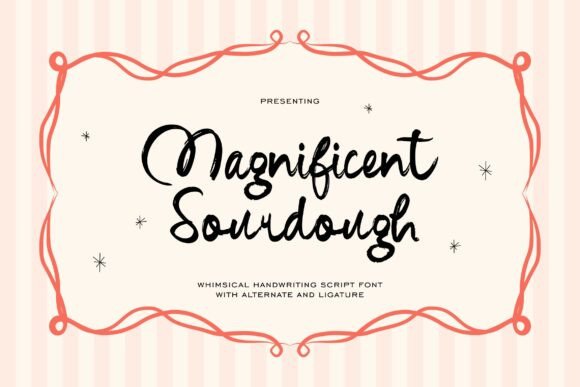
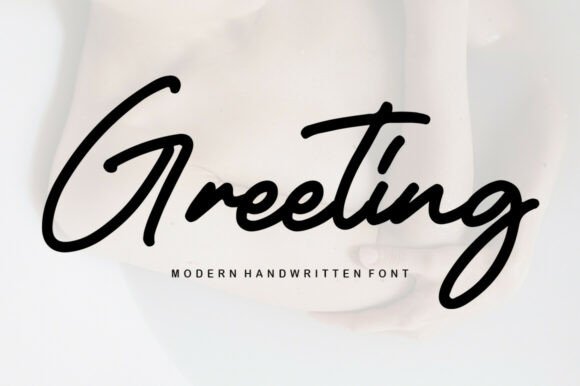
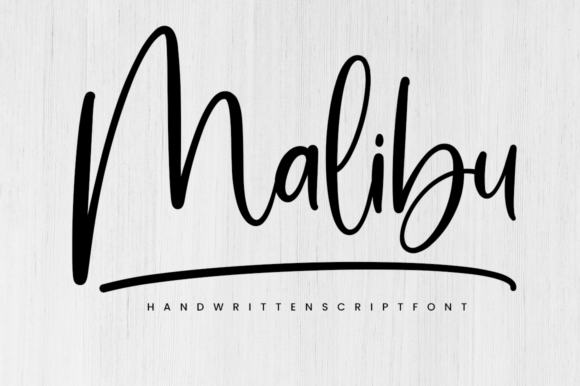
The visual character of Swarthmore is defined by its fluid, relaxed letterforms. The strokes have a natural, slightly varied weight that mimics the feel of a marker or a soft-tip pen on paper, avoiding the rigid perfection of digital calligraphy. Its connections between letters are smooth and intuitive, creating a flowing rhythm that’s easy on the eyes. This isn’t a chaotic, messy scrawl. Instead, it strikes a crucial balance: it’s casual enough to feel genuine, yet structured enough to maintain legibility and a sense of intentional style. The overall appeal is one of casual elegance—a trend-forward aesthetic that doesn’t try too hard.
Where Swarthmore Shines: Practical Applications
The true test of any creative font is its versatility. Swarthmore’s balanced personality makes it a surprisingly adaptable design asset. It naturally excels in projects where you want to inject personality without sacrificing clarity.
For brand identity, this typeface is a powerful tool. Imagine it on the logo for a boutique coffee roaster, a handmade ceramics studio, or a wellness coach. It immediately communicates craftsmanship, care, and a personal connection. It works beautifully for the main wordmark or as a supporting script for taglines and secondary branding elements. In packaging design, Swarthmore can make a product feel artisanal and premium. Use it on labels for small-batch jams, craft beer, or organic skincare to convey authenticity and quality.
In the digital realm, its strengths are equally apparent. For web design, it’s perfect for hero section headlines, call-to-action buttons, or featured product names where you want to draw the eye and create an emotional hook. On social media graphics, Swarthmore can stop the scroll. It’s ideal for quote graphics, sale announcements, or Instagram Stories that need to feel personal and engaging. For bloggers and content creators, using it for chapter titles in an e-book or header images can add a cohesive, stylish flair to their published work.
The Strategic Impact on Your Project
Choosing a font is a strategic decision that influences how your audience perceives your message. Swarthmore, as a modern typography choice, directly impacts several key areas. First, it shapes brand perception. By using this handwritten font, you’re positioning a brand as friendly, creative, and approachable rather than corporate and sterile. This can be a decisive factor for small businesses and entrepreneurs building a community.
It also plays with visual hierarchy. Pairing Swarthmore with a clean, neutral sans serif font for body text creates a dynamic and readable layout. The script naturally commands attention for headlines, while the sans serif ensures longer paragraphs remain comfortable to read. This contrast is fundamental in both editorial design and web design. Furthermore, consistent use of a distinctive typeface like Swarthmore across touchpoints—from website to business card to Instagram—builds brand recognition. It becomes a recognizable part of your visual language, helping you stand out in a crowded marketplace.
Integrating Swarthmore into Your Workflow: A Practical Guide
So, how do you decide if Swarthmore is the right fit? Start by evaluating your project’s core personality. Is it meant to be warm, personal, and a little bit trendy? If yes, it’s a strong candidate. However, consider the context. A premium font like this is an investment, so you’ll want to ensure it aligns with the project’s long-term goals, whether for a client’s logo design or your own product line.
Always test before you commit. Download any available trial versions and see how the font performs in your actual designs. Check the readability considerations at the sizes you’ll use most. Does it hold up in a small caption? Is it clear at a large scale? Examine the included styles and character sets. A good commercial font often includes alternates, ligatures, and multiple weights—features that give you more creative control and help avoid repetition in your text.
Finally, master the art of the font pairing. Swarthmore pairs best with understated companions. Let it be the star. A geometric sans serif like Montserrat or a simple serif like Lora can provide a stable, readable foundation. Avoid pairing it with other ornate or highly stylized fonts, as this can create visual clutter. By thoughtfully integrating this script font, you’re not just adding text to a page; you’re adding a layer of human connection and contemporary style that can elevate your entire project from ordinary to memorable.