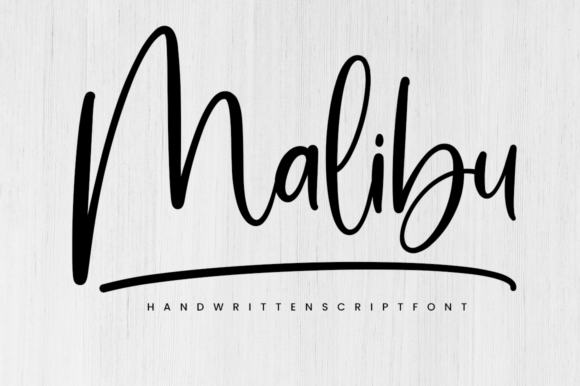
Malibu: A Script Font for Effortless Elegance
In the vast sea of typefaces, finding one that feels both personally expressive and professionally polished can be a challenge. You want something with character, but it can't sacrifice clarity. It needs to feel special, yet remain versatile. This is the sweet spot where the Malibu script font excels. It’s a delicate, flowing typeface that captures a sense of refined grace without feeling stuffy or overly formal. Think of the effortless sophistication of a coastal sunset—beautiful, memorable, and naturally calming. That’s the visual personality of Malibu.
At its core, Malibu is a premium font designed for impact. Its visual characteristics are defined by a gentle, flowing baseline and elegantly connected letterforms. The strokes have a natural, almost hand-lettered quality, with subtle variations in weight that give it an organic, human touch. This isn't a rigid, mechanical script; it’s a creative font that feels alive. Its overall appeal lies in this balance—it’s delicate enough to feel intimate and personal, yet its clean construction ensures it remains highly legible and versatile. For designers, entrepreneurs, and creators, this makes it a powerful asset for projects that demand a touch of class.
Where Malibu Truly Shines: From Brand Identity to Wedding Invites
The true test of any typeface is its real-world application. A beautiful font that can't be used effectively is just a digital ornament. Malibu, however, proves its worth across a surprising range of projects. Its strength lies in its ability to add a human, luxurious touch wherever it's applied. In brand identity, it’s a standout choice for businesses that want to project warmth, elegance, and authenticity. Imagine it on a logo for a boutique skincare brand, a high-end bakery, or a personal coaching service. It instantly communicates a level of care and quality.
Beyond logos, Malibu is a natural fit for packaging design. It can elevate a simple product label into something that feels artisanal and premium. For editorial design, think of a magazine cover headline or a chapter title in a book—it draws the reader in with a personal, narrative quality. In the digital space, it’s a fantastic choice for web design elements like hero section callouts or special announcement banners. It’s equally at home on social media graphics, making quotes, sale announcements, and story templates feel more engaging and polished. For personal projects like wedding invitations, thank you cards, or custom art prints, Malibu provides that bespoke, handcrafted feel that makes a piece truly special.
The Influence of a Thoughtful Typeface on Perception
Choosing a font like Malibu isn't just an aesthetic decision; it’s a strategic one. The right typeface directly influences how your audience perceives your message. When used thoughtfully, Malibu can significantly enhance visual hierarchy. Its distinctive script style naturally draws the eye, making it perfect for headlines, subheadings, or key phrases that you want to stand out from body text set in a sans serif font or a clean serif font. This contrast creates a clear and inviting reading path for your audience.
Furthermore, a consistent and appropriate font contributes to brand recognition. When customers see Malibu used consistently across your website, packaging, and social media, it becomes part of your brand's visual language. It fosters a sense of professionalism and consistency, showing that you pay attention to the details. This, in turn, builds trust and deepens audience engagement. People are more likely to connect with a brand that feels authentic and well-crafted, and a font like Malibu is a powerful tool for achieving that feeling.
Practical Guidance for Using Malibu in Your Projects
So, you’re considering adding Malibu to your design assets. Here’s how to approach it like a seasoned professional. First, always consider the context of your project. Malibu is a display font, meaning it’s designed for impact at larger sizes, such as in headlines or logos. It’s not intended for long-form body copy, where readability at small sizes is paramount. A great practice is to pair it with a highly legible modern typography choice for your body text—perhaps a geometric sans serif for a clean, contemporary feel or a classic serif for a more traditional, editorial look.
Before committing, take the time to test the font with your specific content. Type out the exact words you plan to use to see how the letterforms connect and flow. Because Malibu is a PUA encoded font, you have easy access to its full range of glyphs and swashes. This is a huge advantage. You can use these alternate characters to add flourishes to initial letters or create unique ligatures, giving your typography a truly custom look without any extra design software.
Finally, understand the licensing. As a commercial font, Malibu comes with a license that dictates how it can be used. Whether you’re a freelancer, a small business owner, or a large corporation, ensure your license covers your intended use, whether for a client project, a product for sale, or a personal blog. Reviewing the font’s full character set and any included styles (like a bold or italic version) will also help you maximize its potential and ensure it has the versatility to grow with your projects. By following these steps, you can confidently integrate Malibu into your work, adding a touch of timeless elegance that resonates with your audience.