Nightmare: A Typeface for Unforgettable Halloween Designs
There’s a particular kind of magic in Halloween design. It’s not about subtle elegance or clean minimalism; it’s about atmosphere, story, and a bold, immediate reaction. When you need a typeface that doesn’t just sit on the page but actively contributes to a chilling narrative, you enter the realm of display fonts like Nightmare. This isn't a tool for body text or corporate reports. It's a specialized instrument for conjuring a specific, powerful mood—the thrill of a haunted house, the whisper of a ghost story, the playful scare of a trick-or-treat adventure.
The Anatomy of a Spooky Typeface
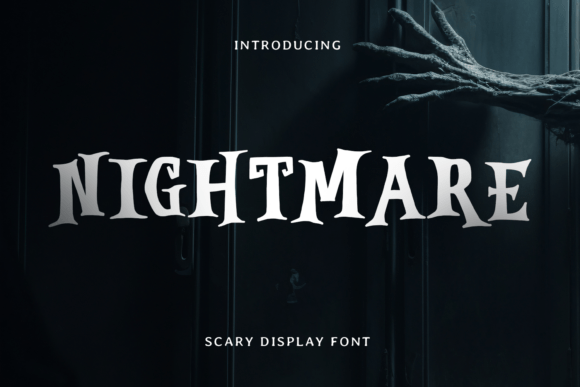
At its core, Nightmare is a premium font designed with a singular personality: Halloween. Its visual characteristics are immediately apparent. The letterforms feature jagged, uneven lines that mimic the rough edges of a carved pumpkin or a gnarled tree branch. The dramatic curves and sharp angles create a sense of controlled chaos, as if the letters themselves are slightly unstable, alive with a haunting energy. This isn't a clean sans serif font or a traditional serif font; it's a decorative, creative font where every glyph tells a micro-story. The overall appeal lies in its unapologetic embrace of the theme. It doesn’t whisper; it announces. This makes it a powerful component in a designer's toolkit of design assets, specifically when the project calls for that unmistakable October vibe.
Understanding its personality is key to using it effectively. Think of Nightmare as the lead actor in a horror-themed play. It’s perfect for headlines, titles, and short, impactful phrases that set the scene. Pairing it with a clean, neutral font—a simple sans serif for body copy or a minimalist script font for elegant details—creates essential contrast. This practice, known as font pairing, ensures your design remains legible and visually balanced while letting the Nightmare typeface deliver its full emotional punch. It’s a masterclass in visual hierarchy, where one element commands attention and the others support it.
Where This Font Truly Haunts: Practical Applications
The real value of a specialized display font like Nightmare is revealed in its application. For designers and marketers, it’s a strategic choice for specific campaigns. Consider its role in logo design for a seasonal business: a haunted attraction, a Halloween pop-up shop, or a specialty candy brand. Here, the font does more than spell a name; it instantly communicates the brand's entire identity and promise of a spooky experience. In packaging design for limited-edition Halloween treats, the font can be the defining feature that catches a shopper's eye from the shelf, making the product feel festive and fun.
In the digital space, Nightmare excels in creating scroll-stopping social media graphics. A bold headline for a Halloween sale, a party invitation, or a blog post title about costume ideas gains immediate thematic clarity. For web design, it can be used judiciously in hero sections or promotional banners for October-themed content, ensuring the site feels timely and engaging. In editorial design—think Halloween-themed magazine features, event posters, or party flyers—the font contributes to a cohesive brand identity for the publication or event, making every touchpoint feel considered and immersive.
Beyond commercial projects, Nightmare empowers crafters and hobbyists. It’s ideal for personal projects like custom party invitations, DIY decorations, scrapbook elements, or even spooky quote art for your home. Its availability as a commercial font means small business owners can legally use it for their marketing materials, from email headers to website graphics, ensuring a professional and legally compliant presentation.
Making the Right Choice: A Practical Guide
Choosing a font like Nightmare requires more than just liking its look. A practical approach involves several steps to ensure it’s the right tool for your job.
First, evaluate the project fit. Ask yourself: Does the core message or theme of this project align with a Halloween or horror aesthetic? If you're designing a corporate annual report, the answer is no. If you're creating a "Spooktacular Sale" banner, the answer is a resounding yes. The font's personality must match the project's voice.
Second, test its readability in context. While it’s not meant for long sentences, you must ensure your chosen headline or title is legible at the intended size and on the intended background. A common mistake is using overly decorative fonts at very small sizes or against complex, high-contrast images, where they become indecipherable. Always mock up your design and view it as your audience would.
Third, plan your font pairings. As mentioned, Nightmare needs a partner. Select a simple, highly readable serif or sans serif font for any supporting text. This contrast is not just aesthetic; it’s functional, guiding the viewer’s eye and making your information accessible. Many premium font packages include multiple styles or complementary fonts, so review what’s included in your download.
Finally, understand the licensing. Since you're likely using this for commercial or professional projects, verify the font's license. Reputable font marketplaces provide clear licensing terms for desktop, web, and app use. This is a non-negotiable step for any designer, entrepreneur, or content creator to avoid legal issues down the line. Using a commercial font correctly is part of maintaining professionalism in your brand identity work.
In the vast landscape of modern typography, having a focused, thematic tool like Nightmare in your collection is about being prepared. It’s about having the right asset to transform a generic design into a memorable, thematic experience. When the brief calls for a touch of the macabre, the playful scare, or the quintessential Halloween vibe, this typeface is built to deliver. It’s a specialized key for a very specific, and very popular, design lock.