Breaking Bread: A Font for Projects That Need a Personal Touch
There’s a certain charm in the imperfect, the hand-crafted, and the personal. In a digital world saturated with sleek, uniform typefaces, finding a font that carries genuine warmth and character can transform a project from good to memorable. Breaking Bread is a premium font born from that very need. It began as a practical solution for a cake topper mockup—a search for a thick, chunky script that felt celebratory and tangible. The result is a typeface that balances heavy, connecting cursive with a clean, hand-lettered sans-serif, offering a versatile tool for creators who value authenticity.
Visual Character and Versatility
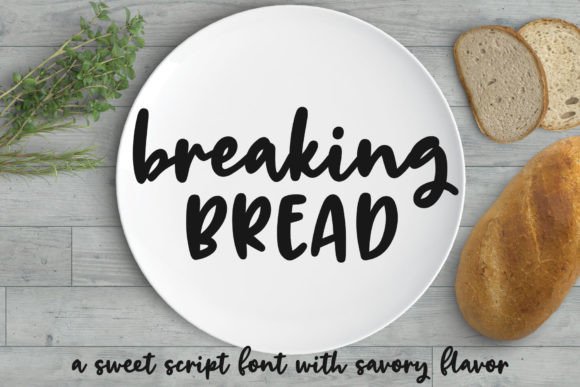
At its core, Breaking Bread is a display font with personality. The script component is bold and fluid, designed to mimic the confident strokes of a marker or brush pen. It connects beautifully, creating a sense of flow and cohesion that’s essential for logos, headings, and impactful quotes. What makes it particularly useful is its companion: a set of uppercase letters in a sans serif font style that maintains the same hand-lettered quality. This pairing within a single typeface system allows for incredible flexibility. You can set a headline in all lowercase script for a casual, friendly vibe, switch to title case for a balanced, professional look, or use the uppercase for strong, declarative statements.
The included alternates and ligatures are where Breaking Bread truly shines for logo design and brand identity work. When double letters appear in words like “letter” or “coffee,” the built-in ligatures provide a natural, handwritten connection, avoiding the awkward repetition that can break the illusion of hand-lettering. A few extra swash characters allow you to add a flourish to an initial capital or a final lowercase letter, giving you fine-tuned control over the final aesthetic. These features aren't just decorative; they’re practical tools for achieving a bespoke look efficiently.
Where Breaking Bread Works Best
Understanding where a font excels is key to using it effectively. Breaking Bread’s friendly, approachable character makes it a strong candidate for projects aiming to build connection and trust.
For Branding and Marketing: This is an ideal typeface for brands in the food, beverage, artisan, wedding, and lifestyle sectors. Imagine it on a bakery’s logo, the label for a small-batch jam, or the signage for a local café. Its warmth immediately conveys a sense of care and craftsmanship. In marketing, it’s perfect for social media graphics, email newsletter headers, and promotional posters where you want to cut through the noise with a human touch. It works well for calls-to-action that feel inviting rather than demanding.
For Publishing and Digital Content: While a script font like this isn’t suited for body text, it’s excellent for editorial design. Use it for chapter titles, pull quotes, or section dividers in a cookbook, magazine, or blog layout. It adds visual interest and can help establish a publication’s unique voice. For web design, it can be used sparingly in hero sections or feature titles to grab attention, but always pair it with a highly readable serif font or sans serif font for paragraphs.
For Products and Crafting: The font’s origin story points directly to its strength in packaging design and physical products. It’s perfect for creating custom mugs, t-shirts, tote bags, and greeting cards. The hand-lettered aesthetic translates beautifully to print and physical goods, making designs feel personal and unique. Because it’s a commercial font with broad language support, it’s a reliable asset for businesses selling in multiple regions.
Making It Work: Practical Considerations
Choosing the right font is only half the battle; using it well is what matters. Here’s how to integrate Breaking Bread effectively into your workflow.
Evaluate the Fit: Does your project’s personality align with this font’s? Breaking Bread communicates approachability, creativity, and a touch of nostalgia. It might not be the best fit for a corporate law firm’s annual report, but it’s perfect for a startup’s investor pitch deck or a community event’s branding. Always consider your audience and the message you want to convey.
Master the Pairing: A font pairing is crucial for readability and visual hierarchy. Since Breaking Bread is a display font, pair it with a neutral, clean typeface for body copy. A simple sans-serif like Montserrat or a classic serif like Lora can provide a perfect counterbalance, ensuring your text remains easy to read while letting the headlines and accents pop.
Test for Readability: Always test the font in context. View it at the size it will be used, whether on a mobile screen or a printed banner. Check the legibility of the alternates and ligatures, especially in longer words. The goal is to use its character to enhance, not hinder, communication.
Leverage the Extras: Don’t overlook the included features. The PUA-encoded alternates mean you can access every swash and stylistic variant through any standard character map, even in software that doesn’t support OpenType features natively. This makes it accessible for crafters using basic design programs and professionals alike.
Understand the License: As a premium font, Breaking Bread comes with a commercial license. This typically covers use across multiple projects for a single user or entity. Before purchasing, review the license details to ensure it covers your intended use—whether for a single client project, your own product line, or digital templates you plan to sell.
In the end, Breaking Bread is more than just a collection of letters. It’s a creative font designed to solve real problems for designers and makers. It offers the visual richness of a custom hand-lettered piece with the efficiency and consistency of a digital typeface. By understanding its strengths and applying it thoughtfully, you can leverage this design asset to create work that feels genuinely personal, professional, and engaging.