Thigles: Crafting Character with Hand-Painted Style
Walk down any historic main street or flip through a vintage magazine, and you will notice a distinct warmth in the lettering. It is not the sterile precision of a computer-generated curve, but the subtle imperfection of a human hand. This is the essence of Thigles, a typeface that does more than just display words; it captures a moment in time. Inspired by the rich tradition of sign painting, this handwritten font brings the tactile quality of brush strokes and ink to your digital canvas. For designers, marketers, and creators looking to break away from the uniformity of standard sans serif fonts, Thigles offers a bridge to authenticity.
The Anatomy of Authenticity
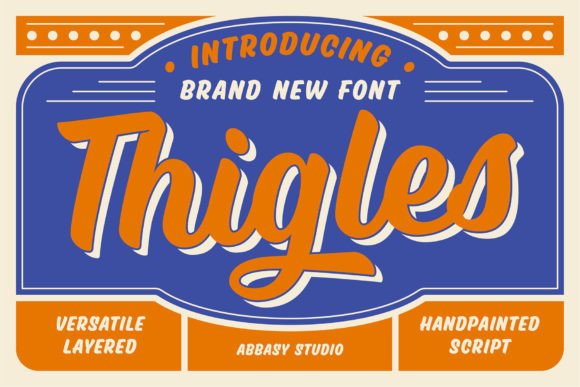
At its core, Thigles is a premium font that mimics the fluid, confident strokes of a sign painter’s brush. Unlike many modern script fonts that feel overly polished or robotic, Thigles retains the texture of paint on wood or glass. The letterforms possess a natural bounce and irregularity that feels organic. You can see the slight bleeding of the edges and the variation in line weight that occurs when a loaded brush applies pressure to a surface. This visual texture is what gives the typeface its soul.
The personality of Thigles is decidedly retro, yet it avoids looking dated. It channels the mid-century optimism found on roadside billboards and shop windows. However, the design is sophisticated enough to fit into contemporary contexts. It is a display font, meaning it is designed to be seen, not just read. It demands attention in headlines and logos but steps back when used in long paragraphs. This balance makes it a versatile addition to any designer's toolkit of creative assets.
Bringing Retro Touches to Modern Branding
One of the most effective uses of Thigles is in brand identity. In a marketplace saturated with geometric sans serif logos, a hand-painted style stands out immediately. For small business owners—especially those in the food and beverage industry, artisanal crafts, or boutique retail—Thigles communicates a sense of care and craftsmanship. Imagine a coffee shop logo using Thigles; it instantly suggests a place where beans are roasted by hand and baristas take pride in their pour. It tells a story before the customer even reads the menu.
Entrepreneurs and marketers can leverage this font to build an emotional connection with their audience. When you use a typeface like Thigles, you are signaling that your brand values personality over corporate sterility. It works beautifully for:
- Packaging Design: On labels for hot sauce, craft beer, or handmade soaps, the textured look of Thigles adds shelf appeal.
- Editorial Design: Use it for pull quotes or section headers in magazines to break the monotony of standard body text.
- Social Media Graphics: In the fast-scrolling world of Instagram or Pinterest, the unique silhouette of these hand-painted letters stops the thumb.
Maximizing Impact with the Shadow Style
A standout feature of the Thigles font family is the inclusion of a dedicated shadow style. This is not merely a digital drop shadow effect added in Photoshop; it is a standalone typeface layer designed to interact perfectly with the main letterforms. By setting your text in the shadow style and layering the standard Thigles font on top (using the same tracking and size), you create a classic, dimensional effect reminiscent of vintage signage.
This technique adds depth and professionalism to your artwork. It transforms flat text into a 3D element that pops off the background. This is particularly useful for logo design and merchandise. When creating t-shirt graphics or poster art, this combination creates a high-value look that feels like custom illustration rather than just typed text. It brings a retro touch to your artwork that feels intentional and polished.
Practical Application and Readability
While the aesthetic appeal of Thigles is undeniable, practical application requires a strategic approach to typography. As with any handwritten font, readability is the primary concern. Thigles excels at large sizes, such as headers, titles, and logos. Its distinct character shapes make it easy to identify at a glance.
However, you should avoid using Thigles for body copy. Long blocks of text set in a script or handwritten style can cause eye strain for readers. The "bounce" and connecting strokes that make it charming in a headline become distracting in a paragraph. Instead, pair Thigles with a clean, neutral sans serif font or a legible serif font for your supporting text. For example, a geometric sans serif can provide a modern counterpoint to the vintage feel of Thigles, creating a balanced visual hierarchy.
Integrating Thigles into Your Workflow
For content creators and designers, integrating a new font requires more than just installation. Here are practical steps to ensure Thigles works for your specific project:
- Evaluate the Context: Does the project call for a friendly, approachable tone? If you are designing a legal document or a medical report, Thigles is the wrong choice. If you are designing a wedding invitation or a bakery menu, it is perfect.
- Test the Pairings: Before finalizing a design, test how Thigles interacts with your secondary typeface. Look for contrast in style but harmony in size.
- Check the Glyphs: A premium font like Thigles often includes alternate characters and ligatures. Open your glyphs panel to explore different swashes for the beginning or end of words. This customization prevents your design from looking generic.
- Review Licensing: If you are using this for a client or a commercial product, ensure you have the correct commercial license. This protects both you and the font creator.
Conclusion
Thigles is more than just a collection of vector points; it is a tool for storytelling. By mimicking the imperfection and energy of sign painting, it allows modern designers to inject humanity into their digital work. Whether you are a blogger looking to spice up a header, a marketer crafting a campaign, or an entrepreneur building a brand from scratch, this typeface offers a practical way to achieve a high-end, retro aesthetic. It bridges the gap between the digital and the handmade, proving that in the world of design, a little personality goes a long way.