Sultan: A Vintage Serif Font That Brings Dynamic Swashes to Your Work
There's a moment in every design project when you realize the typography isn't just filling space—it's setting the entire mood. If you've been searching for a typeface that carries weight, elegance, and a touch of theatrical flair, Sultan deserves your attention. This vintage serif font brings dynamic swashes and a distinctive personality that can transform ordinary layouts into something genuinely memorable.
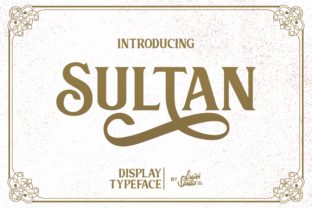
Sultan isn't trying to be everything to everyone. It knows exactly what it is: a premium font with roots in classic typographic traditions, yet bold enough to feel contemporary. The serifs are pronounced, the letterforms have a confident rhythm, and those swashes—carefully crafted extensions on select characters—add movement and drama without tipping into excess. It's the kind of typeface that makes people pause and look closer.
Understanding Sultan's Visual Character
What makes Sultan stand apart from other serif fonts? Start with its proportions. The letterforms carry a moderate contrast between thick and thin strokes, giving it enough visual interest to work as a display font while maintaining enough structure for shorter blocks of text. The x-height sits comfortably in a range that keeps lowercase letters readable, even at reduced sizes.
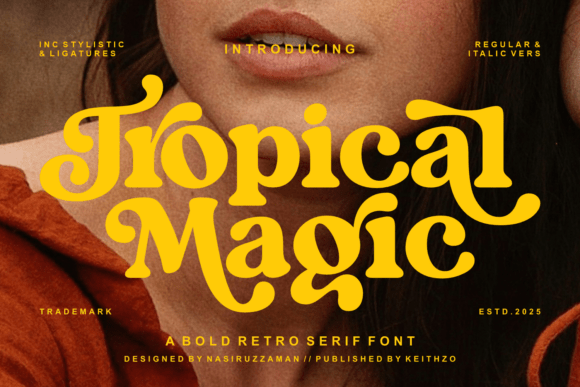
The swashes are where Sultan truly shines. These decorative extensions on capital letters and certain lowercase characters create an organic, flowing quality reminiscent of hand-lettered signage from the early twentieth century. They're not subtle—they're designed to be noticed. But unlike some ornamental typefaces, Sultan's swashes feel intentional rather than grafted on. They integrate with the base letterforms in a way that maintains visual coherence.
The overall personality is sophisticated without being stuffy. There's warmth in its curves and a sense of craftsmanship in its details. When you set a headline in Sultan, it communicates authority and taste. It suggests that whoever chose this typeface cares about quality and understands the power of visual presentation.
Where Sultan Fits Best in Real Projects
Practical application matters more than theoretical beauty. Here's where Sultan genuinely earns its place in a designer's toolkit:
Logo design and brand identity sit at the top of the list. A wordmark set in Sultan immediately conveys heritage and confidence. It works particularly well for brands in hospitality, luxury goods, artisanal products, fashion, and professional services. The font gives small businesses a way to project established credibility without resorting to overused corporate typefaces.
Editorial design benefits enormously from Sultan's character. Magazine covers, book titles, chapter headings, and pull quotes all become more engaging. If you're a publisher working on cookbook layouts, lifestyle magazines, or literary journals, this typeface adds the kind of typographic richness that readers associate with quality content.
Packaging design is another natural fit. Product labels for craft beverages, specialty foods, cosmetics, and handmade goods often need a typeface that communicates authenticity. Sultan's vintage roots make it feel genuine rather than manufactured—a distinction that matters to consumers who read labels carefully.
Don't overlook social media graphics and web design either. While Sultan works best at larger sizes, its impact in hero sections, banner headlines, and promotional graphics is undeniable. Pair it with a clean sans serif font for body text, and you've got a visual system that feels both polished and approachable.
How the Right Serif Font Shapes Audience Perception
Typography influences how people process information and form opinions about what they're reading. A display font like Sultan does more than decorate—it directs attention and establishes tone.
Visual hierarchy becomes clearer when you have a typeface with enough personality to anchor headlines. Sultan commands the top of the page, allowing supporting text in a more neutral typeface to do its job without competing. This separation helps readers navigate content efficiently, which directly impacts engagement.
Brand perception shifts when typography aligns with messaging. A bakery using Sultan on its signage and menus communicates tradition, care, and quality. A consultancy firm using it for presentation headers signals thoughtfulness and attention to detail. The font becomes shorthand for values that would otherwise take paragraphs to explain.
Consistency across touchpoints builds recognition. When Sultan appears on your website headers, printed materials, email templates, and packaging, it creates a unified visual language. This kind of coherence is what separates amateur design from professional brand identity work. People may not consciously notice the typeface, but they register the feeling of consistency.
Practical Guidance for Working with Sultan
Before committing Sultan to a project, test it in context. Set your actual headlines—not placeholder text—and evaluate how the swashes interact with surrounding design elements. Some swash characters need breathing room; crowding them against images or borders diminishes their effect.
Font pairing is essential. Sultan works beautifully alongside geometric sans serif fonts for modern contrast, or with simple serif fonts for a more traditional editorial feel. Avoid pairing it with other ornamental typefaces—you'll end up with visual noise rather than hierarchy. A good rule: let Sultan carry the personality while its partner stays neutral.
Review the full character set before purchasing any commercial font. Sultan typically includes multiple weights, alternates, and swash variations. Understanding what's available helps you plan typographic systems rather than improvising on deadline. Check whether the license covers your intended use—desktop, web, or both—and whether it permits the volume of impressions your project requires.
Readability testing matters, especially for body text applications. Sultan performs best at display sizes. For running text, consider a complementary typeface that shares similar proportions or historical references. This approach preserves visual harmony while protecting legibility.
Finally, resist the urge to use every swash available. Restraint is what separates sophisticated typography from decoration. Choose one or two swash characters per headline and let them do their work without overwhelming the composition.
Sultan is a creative font that rewards thoughtful application. It's not the right choice for every project, but when the fit is right, it elevates the entire design. Whether you're building a brand identity from scratch or refreshing existing marketing materials, this vintage serif font offers a distinctive voice worth exploring.