Sink: A Bold Retro Sans Serif for Confident Design
In a landscape crowded with delicate serifs and fleeting minimalist sans serifs, finding a typeface with genuine presence can feel like a hunt for a rare artifact. You need something that commands attention without shouting, something that feels both familiar and fresh. Enter Sink, a premium font that bridges the gap between vintage charm and contemporary function. It’s not just another display font; it’s a tool for making a statement.
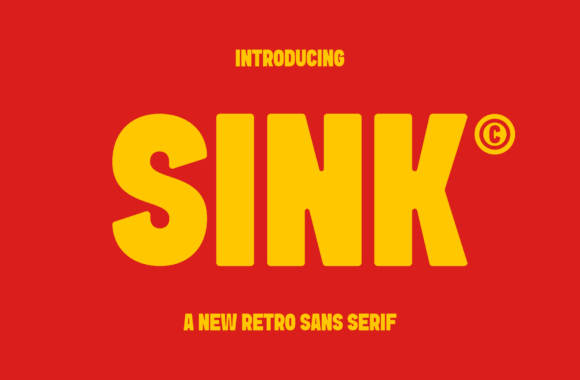
What immediately sets Sink apart is its substantial weight. This is a bold, retro-inspired sans serif designed to anchor your layouts. Its character stems from a confident, almost assertive structure, yet it avoids feeling aggressive or cold. The secret lies in its slightly rounded edges. These subtle curves introduce a softness, a touch of humanity that makes the typeface approachable and versatile. It carries the weight of mid-20th-century advertising and signage but is rendered with a modern understanding of clarity and screen legibility.
Where Sink Truly Shines: Practical Applications
Understanding a font’s personality is one thing; knowing where to deploy it is where the real design work begins. Sink isn't a workhorse for body text; its strength is in grabbing the viewer's eye and establishing a mood instantly. Think of it as the headline act, not the supporting cast.
- Branding & Logo Design: For brands targeting a confident, nostalgic, or artisanal audience, Sink is a compelling choice for a wordmark or logo. Its boldness ensures recognition at small sizes on business cards and large scales on signage. A craft brewery, a vintage clothing store, or a specialty coffee roaster could use Sink to communicate quality and character before a single word of copy is read.
- Packaging Design: On a shelf, you have milliseconds to make an impression. Sink’s strong silhouette cuts through visual noise. Use it for the product name on a food label, a craft box, or a cosmetics jar. Its rounded edges prevent it from feeling too utilitarian, adding a touch of warmth that can make a product feel more accessible.
- Editorial & Publishing: Magazine covers, book titles, and chapter headings benefit enormously from a typeface with this much character. Sink can set the tone for an entire publication, lending a sense of authority and style. Pair it with a clean serif font for body text to create a striking visual hierarchy that guides the reader’s eye naturally.
- Digital & Web Design: In the digital realm, Sink excels as a hero font for website headers, call-to-action buttons, and key marketing messages. Its clarity on screen, even at bold weights, makes it a reliable choice for web design where impact is crucial. It’s equally effective for social media graphics, creating thumb-stopping posts and stories that stand out in a fast-scrolling feed.
- Marketing & Advertising: From posters and flyers to digital ads, Sink delivers the kind of visual punch needed in competitive advertising spaces. It communicates a message of strength and reliability, making it suitable for campaigns that want to project confidence.
The Design Impact: More Than Just a Pretty Face
Choosing a typeface like Sink is a strategic decision that influences multiple facets of your project’s effectiveness. It’s about shaping perception and guiding the viewer’s experience.
Establishing Visual Hierarchy: The most immediate function of a bold display font is to create a clear focal point. By using Sink for your primary headline, you instantly tell the viewer, “Start here.” This creates a logical flow, allowing you to then use lighter, more neutral fonts for secondary information and body copy without losing clarity.
Shaping Brand Perception: Typography is a silent ambassador for your brand. Sink’s retro-modern aesthetic suggests a brand that values heritage but isn’t stuck in the past. It feels authentic and grounded. This can be a powerful tool for building a brand identity that feels both trustworthy and distinctive. It’s a creative font that helps you tell a story at a glance.
Enhancing Readability and Engagement: Counterintuitively, a bold font can improve overall readability. By establishing a strong, clear headline, you make the content beneath it easier to approach. Sink’s design, with its balanced proportions and open counters (the spaces inside letters like ‘e’ and ‘a’), ensures that words remain legible even when set in all caps at a large size. This clarity keeps readers engaged rather than frustrated.
Practical Guidance for Working with Sink
To get the most out of this sans serif font, consider these practical tips from a designer’s perspective.
- Evaluate the Project Fit: Before selecting Sink, ask yourself: Does my project need to feel bold, confident, and slightly nostalgic? If you’re designing for a gentle yoga studio or a minimalist tech startup, it might not be the right tool. But for a dynamic food brand, a music festival poster, or a boutique hotel, it could be perfect.
- Master the Font Pairing: A strong display font needs a good partner. Sink pairs beautifully with a wide range of typefaces. For a classic, editorial look, try it with a traditional serif font like Garamond or Caslon. For a clean, modern feel, a simple geometric sans serif like Poppins or Lato works well. For a touch of elegance, a script font or handwritten font can provide a beautiful contrast for subheadlines or accents. Always test pairings in context to see how they interact.
- Review the Full Character Set: A premium font like Sink often comes with more than just basic letters. Check for alternate characters, ligatures (special connected letter pairs), and a full range of punctuation and symbols. These extras can add unique flair to your logo or headline, making your design feel more customized and polished.
- Test for Readability: Always test your chosen words in Sink at the intended size and on the intended medium. A word that looks great on your desktop monitor might need letter-spacing (tracking) adjustments when printed large on a banner. Read it out loud to see if the visual form aids or hinders comprehension.
- Understand the License: If you’re using Sink for commercial font projects—like client work, products for sale, or widespread marketing—ensure you have the correct license. Most premium fonts have clear licensing terms for desktop, web, and app use. Respecting these terms is part of professional practice and supports the creators who make these design assets possible.
Ultimately, Sink is more than just a collection of glyphs. It’s a carefully crafted tool for visual communication. Its blend of retro personality and modern construction makes it a versatile addition to any designer’s toolkit, capable of elevating projects from the mundane to the memorable. By understanding its strengths and applying it thoughtfully, you can harness its bold character to create designs that truly resonate.