Quiora Brush: Capturing Handmade Authenticity in Design
In a digital landscape saturated with clean, geometric sans serif fonts, there is a growing demand for typography that feels personal and human. Brands and creators are constantly searching for ways to cut through the noise and establish an immediate emotional connection with their audience. This is where the power of a distinct script typeface becomes invaluable. Quiora Brush is a cursive handwritten font designed specifically to bridge the gap between digital precision and organic, human touch. It is not just another decorative font; it is a versatile tool built for modern typography needs, offering a fluid, natural aesthetic that resonates with contemporary design trends.
The Visual Personality of Quiora Brush
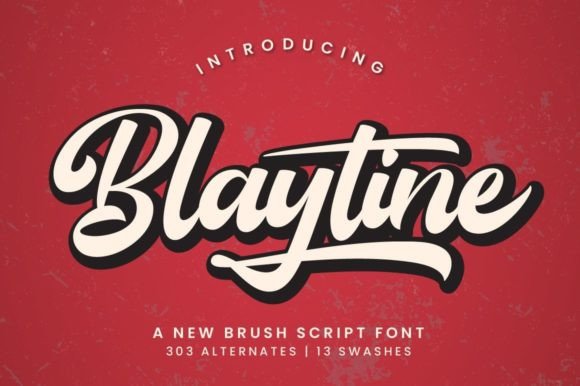
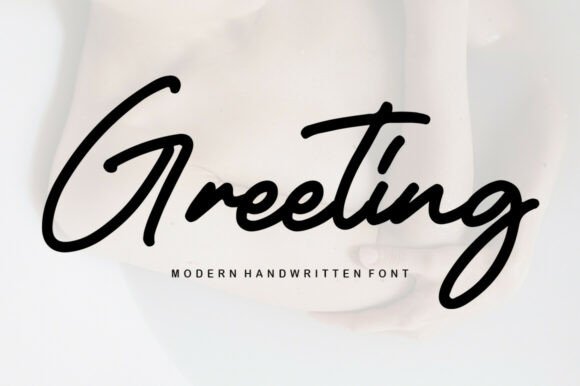
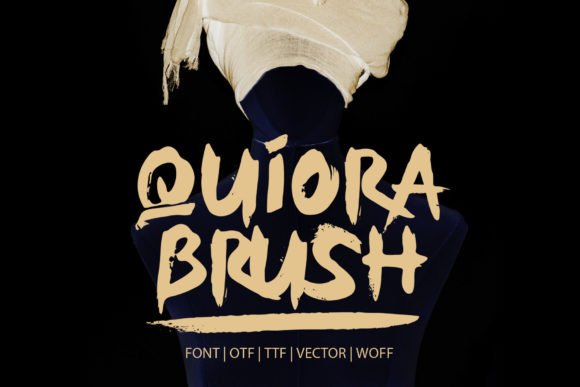
When you first look at Quiora Brush, you notice the energy in its strokes. Unlike stiff or overly geometric typefaces, this font mimics the natural pressure and flow of a real marker or brush pen. The letterforms feature a distinct bounce and irregular baseline that is characteristic of authentic handwriting. This slight imperfection is what gives the font its charm; it feels spontaneous rather than calculated. The characters connect with a natural flow, ensuring that words look cohesive rather than disjointed.
The visual weight of the font strikes a balance between being bold enough to read in headlines and delicate enough to maintain elegance. It avoids the scratchy, thin look of some script fonts, opting instead for a solid presence that commands attention. This makes it an excellent premium font choice for projects that require a personalized appearance. Whether you are designing a wedding invitation or a coffee shop menu, the typography immediately conveys a sense of care and craftsmanship.
Why Texture Matters in Modern Branding
In the realm of brand identity, texture plays a crucial role. Flat, sterile designs are increasingly being replaced by layered, tactile visuals. Quiora Brush introduces a texture of its own simply through its design. It adds warmth to digital screens and depth to printed materials. For entrepreneurs and small business owners, using a handwritten font like this can soften a brand's image, making a company feel more approachable and customer-centric. It signals that there are real people behind the logo, which is a powerful psychological trigger for consumer trust.
Strategic Applications for Designers and Creators
Understanding where to deploy a creative font is just as important as choosing the right one. Quiora Brush is classified as a display font, meaning it is optimized for impact rather than long-form reading. Its strengths lie in the headlines, titles, and focal points of a design. Here is how different professionals can leverage this typeface:
- Logo Design and Branding: For brands in the lifestyle, fashion, food, or wellness sectors, Quiora Brush serves as a fantastic primary or secondary logo font. It creates an instant "stamp" effect that is memorable and distinctive. When paired with a simple sans serif font for body text, it creates a dynamic visual hierarchy.
- Packaging Design: On physical products, shelf appeal is everything. Using this font on packaging design can make a product look artisanal or boutique. It works exceptionally well for product names, flavor descriptions, or "handmade with love" taglines on labels.
- Digital and Web Design: In the realm of web design, static walls of text can bore visitors. Incorporating Quiora Brush into section headers or call-to-action buttons adds a layer of visual interest that guides the user's eye. It breaks up the monotony of standard web-safe fonts.
- Social Media Graphics: Content creators and marketers need to stop the scroll. This font is perfect for Instagram quotes, sale announcements, and story overlays. Its high-energy style is well-suited for the fast-paced nature of social media graphics.
Mastering Font Pairings and Hierarchy
One of the most common mistakes in typography is using two fonts that compete for attention. Quiora Brush is a strong personality, so it requires a partner that acts as a supporting player rather than a co-star. A classic design rule is to pair a script font with a neutral serif font or a clean sans serif font.
For example, if you are working on an editorial design project, such as a magazine layout, you might use Quiora Brush for pull quotes or section titles. Then, use a legible serif font like Garamond or a modern sans serif like Helvetica for the body copy. This contrast ensures that the visual hierarchy is clear. The reader instantly knows what is the headline and what is the supporting information. The brush font draws them in, and the body font informs them.
Evaluating Readability and Context
While Quiora Brush is designed for legibility within its genre, context remains king. As a handwritten font, it is not intended for 8-point footnotes or lengthy legal disclaimers. Its primary function is advertising and titles. When using it, ensure there is sufficient leading (line spacing) to accommodate the swashes and ascenders of the letters. Crowding this font can cause the letters to merge visually, reducing clarity. Always test your typography at the size it will be viewed. A header on a billboard has different legibility requirements than a title on a mobile phone screen.
Practical Guidance for Implementation
When integrating Quiora Brush into your workflow, treat it as a key design asset. Because it is a commercial font, it typically comes with specific licensing terms. Before purchasing, verify that the license covers your intended use case, whether that is for client work, merchandise for sale, or web embedding. Most premium fonts offer different tiers for desktop, web, and app usage.
Furthermore, look at the technical features included with the font file. High-quality fonts often include OpenType features. This might mean Quiora Brush comes with alternate characters, ligatures, or stylistic sets. Accessing these features allows you to customize the look of the text further. For instance, you might swap out a standard "t" for a version with a longer crossbar to better connect with the next letter. This level of customization is what separates amateur designs from professional brand identity work.
Real-World Scenarios for Entrepreneurs
Imagine you are launching a new skincare line. Your brand ethos is natural ingredients and transparency. Using a rigid, corporate font might send the wrong message. Instead, you select Quiora Brush for your product labels. The handwritten style immediately communicates "small batch" and "crafted with care." You pair it with a minimalist sans serif for the ingredient list to ensure FDA compliance and readability. The result is a package that feels high-end yet personal.
Consider a blogger or publisher creating a digital cookbook. The content is personal, filled with family recipes and stories. Using Quiora Brush for chapter titles and recipe names adds a scrapbook-like feel to the editorial design. It makes the digital document feel like a treasured heirloom passed down through generations, rather than just a collection of text files.
Conclusion: Elevating Your Creative Projects
Typography is the voice of design. Choosing the right typeface sets the tone before a single word is read. Quiora Brush offers a specific voice—one that is energetic, authentic, and deeply human. It is a powerful addition to the toolkit of any designer, marketer, or creative professional looking to inject personality into their work. By understanding its visual strengths and pairing it with complementary fonts, you can create designs that not only look beautiful but also effectively communicate your brand's story.