Loubotin: A Vintage Script for Modern Branding
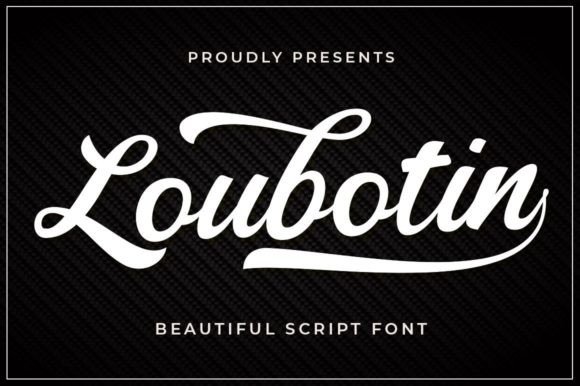
There’s a certain kind of lettering that feels like it belongs on a beautifully aged label, a handwritten invitation, or the masthead of a sophisticated magazine. It’s the style that conveys history, craft, and a touch of romance without saying a word. The Loubotin font is a prime example of this aesthetic. As a vintage script font, it captures the essence of classic elegance with its flowing, connected letterforms and refined details. It’s not trying to be a minimalist sans serif font or a traditional serif font; its personality is rooted in the artistry of hand-lettering, offering a direct line to a more personalized and stylistic form of communication.
Where Classic Elegance Meets Contemporary Projects
The true test of any creative font is its versatility. Where does a typeface like Loubotin genuinely shine? Its strength lies in applications where you want to evoke a sense of quality, tradition, or bespoke craftsmanship. Think of it as a display font—its job is to make a statement, not to set long paragraphs of body copy.
For logo design, especially for brands in the luxury, boutique, artisanal, or wedding sectors, Loubotin can be transformative. It instantly communicates a brand’s commitment to elegance and personal touch. I’ve seen it work beautifully for a custom jeweler, a high-end bakery, and a floral studio, where the script style feels organic to the industry. In packaging design, it can elevate a simple box or label into something that feels like a gift itself. Imagine a gourmet chocolate brand or a small-batch perfume; the Loubotin script on the packaging tells a story of care and quality before the product is even used.
Beyond physical products, its application in editorial design and social media graphics is powerful. Use it for pull quotes in a magazine layout, chapter titles in a book, or as a striking headline for a blog post about lifestyle or fashion. On social media, it can make quotes, sale announcements, or event invitations stand out in a crowded feed. For wedding designers, it’s almost a natural fit for invitations, menus, and programs, but I’d advise pairing it with a very clean, simple font pairing to ensure all the important details remain legible.
The Strategic Impact on Perception and Readability
Choosing a font is a strategic decision that influences how your audience perceives your message. Loubotin, with its classy and stylish character, directly shapes brand perception. When used consistently, it builds a visual identity that feels polished and intentional. This consistency across your website, social media, and print materials is foundational to building brand recognition and a sense of professionalism. It tells your audience you’ve paid attention to the details.
However, with any script font, readability is a critical consideration. The very flourishes that give Loubotin its charm can, if overused, become a barrier to comprehension. The key is balance and context. It’s not the right choice for setting your website’s navigation menu or a long product description. Instead, use it for short, impactful headlines where its aesthetic value outweighs the need for quick, effortless reading. Always test it at the size and in the context where it will be used. A beautiful script on a 27-inch monitor can become an illegible scrawl on a mobile phone screen.
A Practical Guide to Working with Loubotin
So, you’re considering adding Loubotin to your design assets. Here’s how to approach it practically. First, understand what you’re getting. As a premium font, it often comes with a suite of features. Loubotin is PUA encoded, which is a significant practical benefit. This means all its amazing glyphs and ligatures—those beautiful alternative characters and letter connections—are accessible directly through your operating system’s character map or design software’s glyph panel, without needing special encoding knowledge.
When evaluating its fit, ask yourself: Does the personality of this font align with the voice of my project? A vintage script feels authentic for a heritage brand but might feel forced on a tech startup’s homepage. Next, focus on font pairing. A rule of thumb I follow is to pair a detailed script with a starkly simple counterpart. A clean geometric sans serif font or a straightforward, sturdy serif font creates a pleasing contrast that provides visual rest and enhances hierarchy. The script grabs attention, and the simpler font delivers the supporting information clearly.
Finally, be mindful of licensing. Since Loubotin is a commercial font, ensure your license covers your intended use, whether for a client’s brand identity, a product you sell, or a personal project. Most licenses are straightforward, but it’s a crucial step to avoid issues down the line. Treat it as you would any other professional tool—an investment in the quality and perception of your work. Used thoughtfully, it’s a typeface that doesn’t just spell words; it sets a tone, tells a story, and adds a layer of undeniable sophistication to any creative endeavor.