Gingerly: A Blend of Charming Elegance for Modern Design
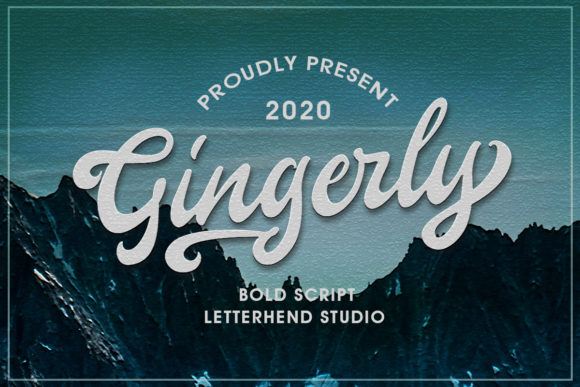
Finding a typeface that feels both personal and polished can be a real challenge. You want something with character, but it also needs to be versatile enough to handle a variety of tasks without feeling out of place. That's the space where Gingerly operates so effectively. It’s a premium font that walks the line between graceful sophistication and approachable warmth. The letterforms have a fluid, connected quality reminiscent of a script font, but with a cleanliness and legibility that makes it far more practical. It doesn’t shout; it whispers with confidence.
Where Gingerly Truly Shines
The true test of a creative font is its application. Gingerly’s balanced personality makes it a surprisingly robust design asset. Its elegance is immediately apparent in formal contexts, making it a natural choice for wedding invitations, event stationery, and thank you cards. The flowing curves add a touch of handcrafted care that resonates on these personal projects. But don't box it in. This typeface carries that same charm into commercial realms. Think of a boutique bakery's logo, the masthead of a lifestyle blog, or the branding for a high-end skincare line. Gingerly communicates a sense of thoughtfulness and quality that can elevate a brand's entire identity.
In editorial design, it can be used for pull quotes or chapter titles to add a visual break from a standard serif font or sans serif font body text. For packaging design, especially for artisanal goods, its handwritten feel suggests authenticity. In the digital space, it works beautifully for hero text on a website, as long as the background is clean, and it can make social media graphics stand out in a crowded feed. The key is using it for headlines, logos, and short, impactful phrases where its personality can be appreciated without hindering readability.
Practical Guidance for Your Projects
Adopting a new font into your workflow requires a bit of practical consideration. First, evaluate the project's needs. Gingerly excels as a display font—meaning it’s designed for larger sizes in headlines and titles. Setting an entire paragraph of body copy in it would likely be a strain on the reader's eyes. Its strength is in grabbing attention and setting a tone, not in conveying dense information.
Next, consider your font pairing. A font with this much personality needs a stable partner. A clean, geometric sans serif font like Montserrat or Poppins provides a fantastic modern counterpoint. For a more classic, literary feel, pairing it with a timeless serif font like Garamond or Minion Pro creates a beautiful hierarchy. The goal is contrast in style but harmony in mood. The neutral partner handles the heavy lifting of body text, while Gingerly delivers the headline impact.
One of the most practical features of Gingerly is its PUA encoding. This is a technical detail with a huge real-world benefit: it means all the special characters, alternate letters, and decorative swashes are fully accessible without needing advanced design software. You can easily use them in any program that supports font selection, from Adobe Illustrator to Canva. This opens up a world of customization, allowing you to tailor the font's look to your specific needs, whether you're crafting a unique logo or designing a special greeting card.
Finally, always be mindful of licensing. If you're using Gingerly for a client project, a product you sell, or any commercial endeavor, ensure you have the appropriate commercial font license. This is a standard part of professional practice and protects both you and the font's creator. Taking the time to choose the right font, test its pairings, and understand its features is what separates good design from great design. Gingerly offers a distinct voice that, when used thoughtfully, can bring a memorable and elegant touch to a wide array of creative work.