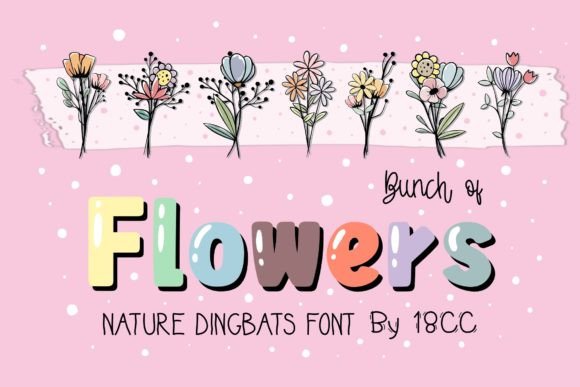
Bunch of Flowers: A Nature Dingbats Font for Modern Projects
Sometimes a design needs more than just words. It needs a touch of organic personality, a visual whisper that conveys warmth, creativity, or a connection to the natural world. This is where a specialized asset like the Bunch of Flowers nature dingbats font becomes invaluable. Far from a standard typeface for body text, this is a curated collection of floral and botanical glyphs, designed to be a versatile tool for anyone looking to inject a handcrafted, artistic feel into their work.
Understanding the Visual Language
At its core, Bunch of Flowers is a premium font that functions as a library of vector illustrations. Each character you type corresponds to a unique floral motif, ranging from simple, elegant stems to intricate, lush bouquets. The style leans towards a modern, illustrative approach—it’s not overly realistic or vintage, which gives it a fresh and contemporary appeal. The personality of this creative font is undoubtedly organic, whimsical, and artistic. It feels personal, as if each symbol was sketched by hand, making it an excellent display font for projects that aim to feel approachable and authentic rather than corporate or sterile.
The overall appeal lies in its ability to add instant visual interest without overwhelming a design. Used thoughtfully, it can serve as a decorative border, a standalone icon, or an integrated element that ties a color palette and theme together. For brand identity work, this typeface offers a way to build a recognizable visual language that speaks to themes of growth, beauty, nature, and care.
Where This Floral Font Truly Blossoms
The practical applications for Bunch of Flowers span a wide spectrum of creative and commercial endeavors. Its strength is in projects where visual storytelling and emotional connection are paramount.
In logo design, particularly for businesses in the wellness, beauty, floral, artisanal food, or wedding industries, a glyph from this font can become the central mark. Imagine a wedding planner’s logo featuring a delicate floral arrangement, or a boutique skincare brand using a single botanical icon as its emblem. This approach helps build a strong, thematic brand identity from the outset.
For editorial design and packaging design, the font is a powerhouse. It can create beautiful chapter headings in a cookbook, frame product information on a candle label, or design stunning social media graphics for a gardening blog. The symbols are perfect for creating patterns, borders, and decorative dividers that elevate a layout from functional to beautiful. As design assets, these glyphs integrate seamlessly into web design for hero images, icon sets, or custom bullet points, adding a layer of sophistication that stock icons often lack.
Beyond commercial use, its value extends to personal projects. Crafters and hobbyists can use it to design custom art prints, greeting cards, coloring pages, or even unique t-shirts. The font provides a professional-grade toolkit for creating items that feel genuinely custom and personal.
Integrating Bunch of Flowers into Your Design Workflow
Adopting a new font requires more than just installation; it requires a strategy for integration. Here’s how to approach using Bunch of Flowers effectively.
Evaluating Project Fit: First, ask if the project’s theme aligns with the font’s personality. It’s a natural fit for anything related to gardens, weddings, nature, romance, or artisanal crafts. For a tech startup or a law firm, it would likely be misaligned. The key is ensuring the font’s voice matches the message you need to convey.
Testing Font Pairings: A dingbats font is rarely used alone. It needs a companion for readability. The most effective pairings often involve a clean, simple sans serif font or a classic serif font for body text and headlines. The simplicity of the text font provides a calm canvas that allows the decorative floral elements of Bunch of Flowers to stand out without creating visual chaos. Avoid pairing it with another highly decorative script font or handwritten font, as this can lead to a cluttered and illegible design.
Reviewing Included Styles: A quality premium font like this often comes with multiple stylistic sets or weights. Explore the full character map. You may find variations in floral density, style (e.g., line art vs. filled), or complementary leaf and vine elements. Understanding the full range of what’s included allows for more creative and nuanced use.
Considering Readability and Hierarchy: Use the floral glyphs as accents, not as a replacement for legible text. They work best in larger sizes for headlines, as icons, or in decorative contexts where literal reading isn’t required. Establish a clear visual hierarchy where the text is easy to consume and the decorative elements enhance the experience rather than hinder it.
Understanding Commercial Licensing: This is a critical step for any professional. Before using Bunch of Flowers in a client project, merchandise for sale, or widely distributed digital content, verify the license. A commercial font license typically covers use in logos, websites, and printed materials, but specifics on print run limits or merchandise applications can vary. Ensuring you have the correct permissions protects both you and your client.
In practice, start small. Use a single floral glyph as a bullet point in a brochure or as a small icon next to a social media handle. Observe how it changes the feel of the layout. From there, you can build confidence to use it for more prominent applications, like a full-page decorative border or a central logo element. The goal is to use this typeface as a tool to add a specific, beautiful accent—to make your design not just readable, but memorable. When used with intention, Bunch of Flowers becomes more than a font; it becomes a signature part of your creative expression.